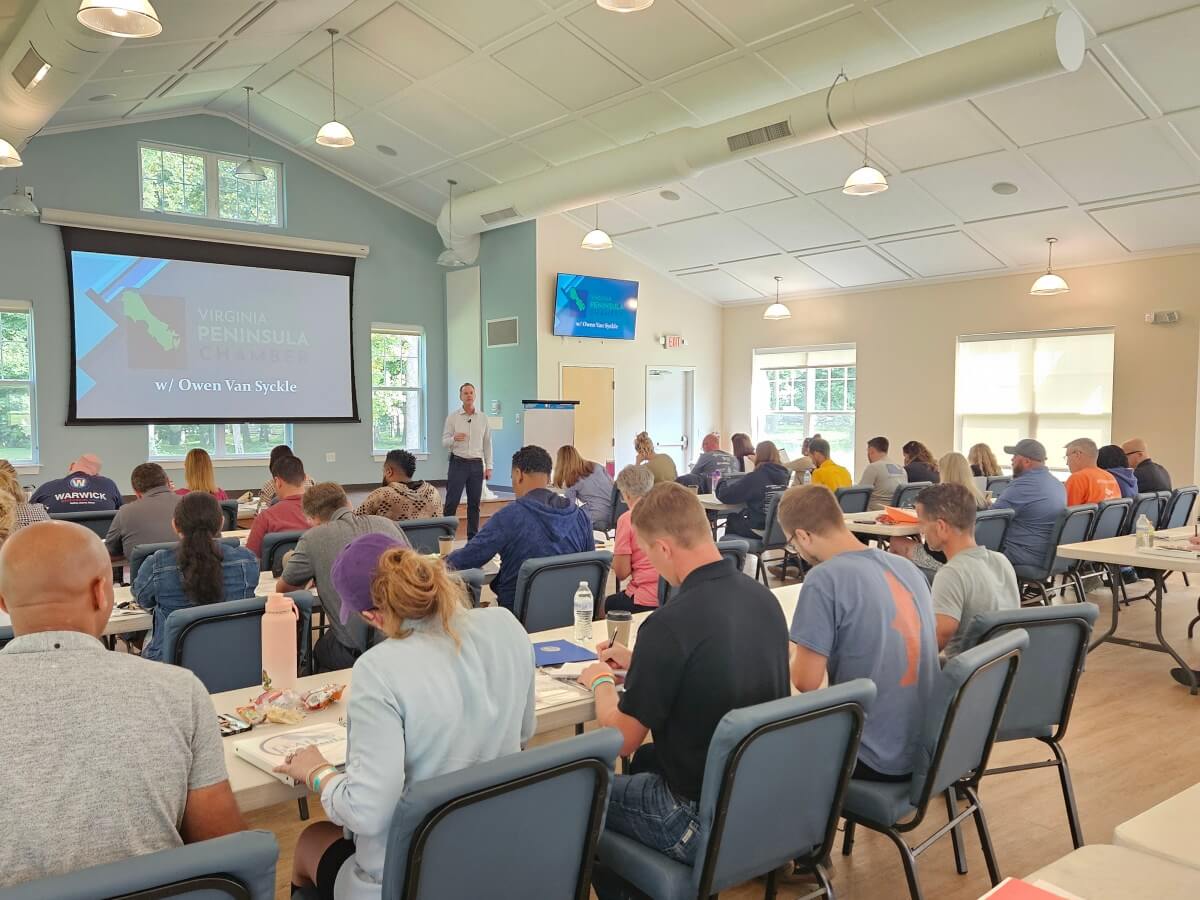
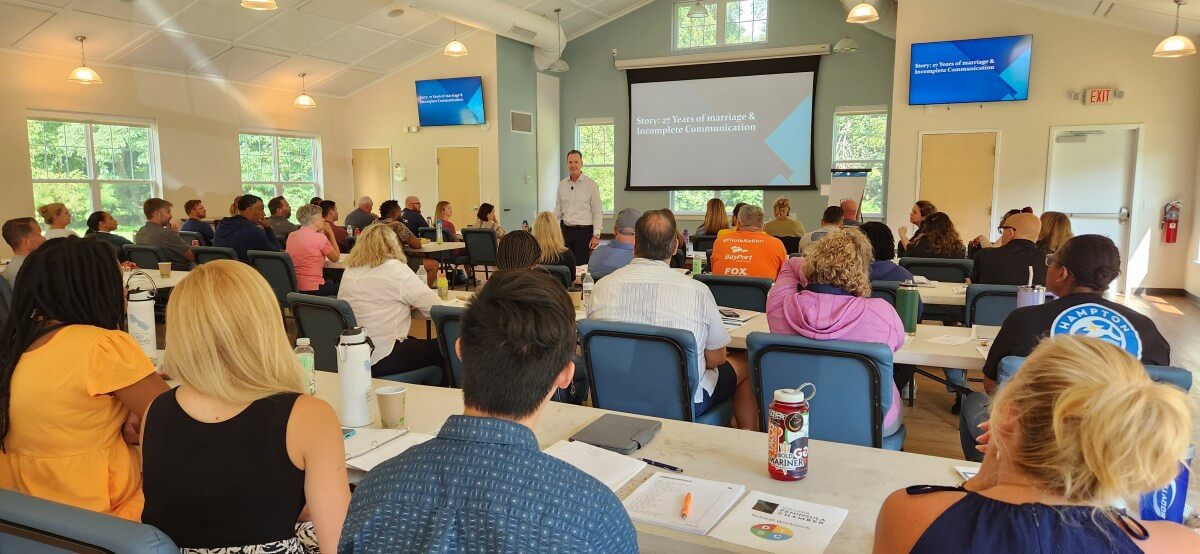
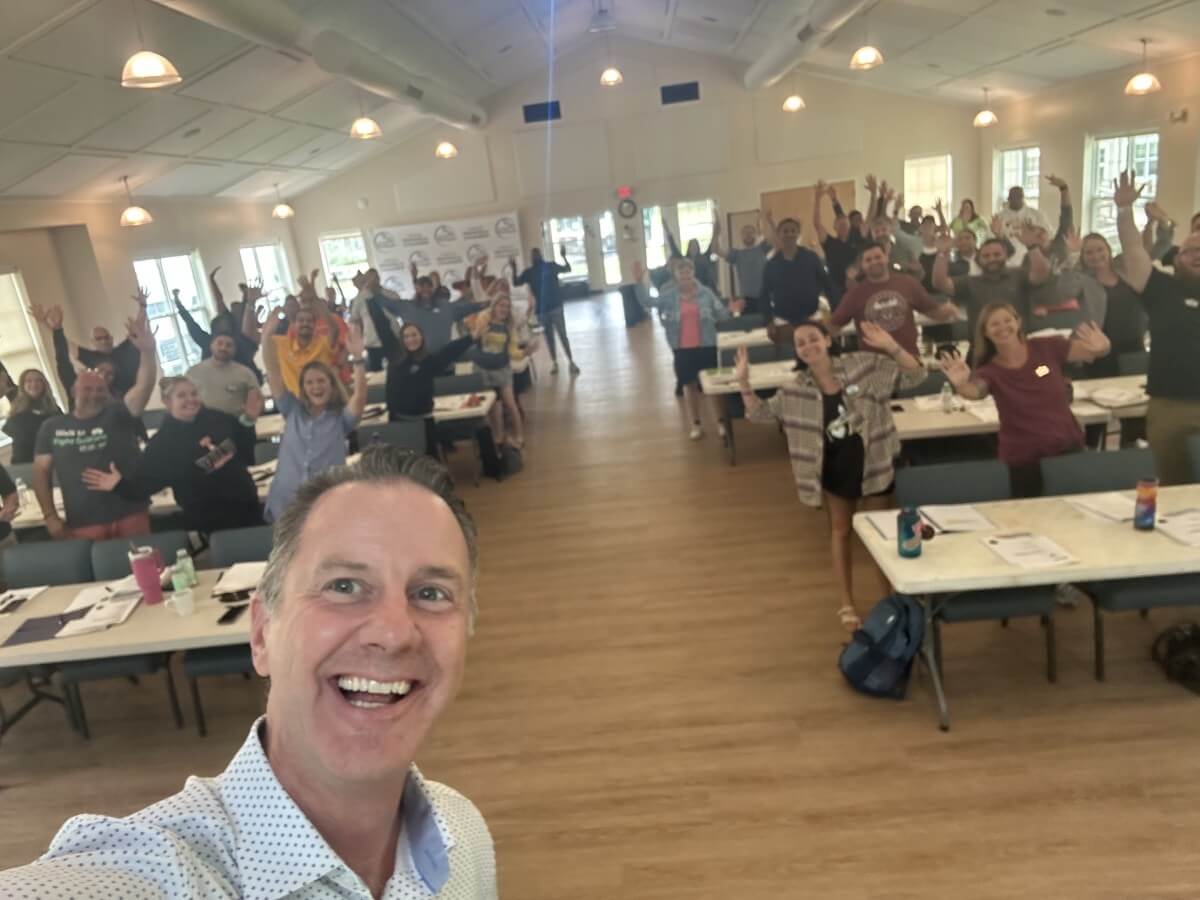
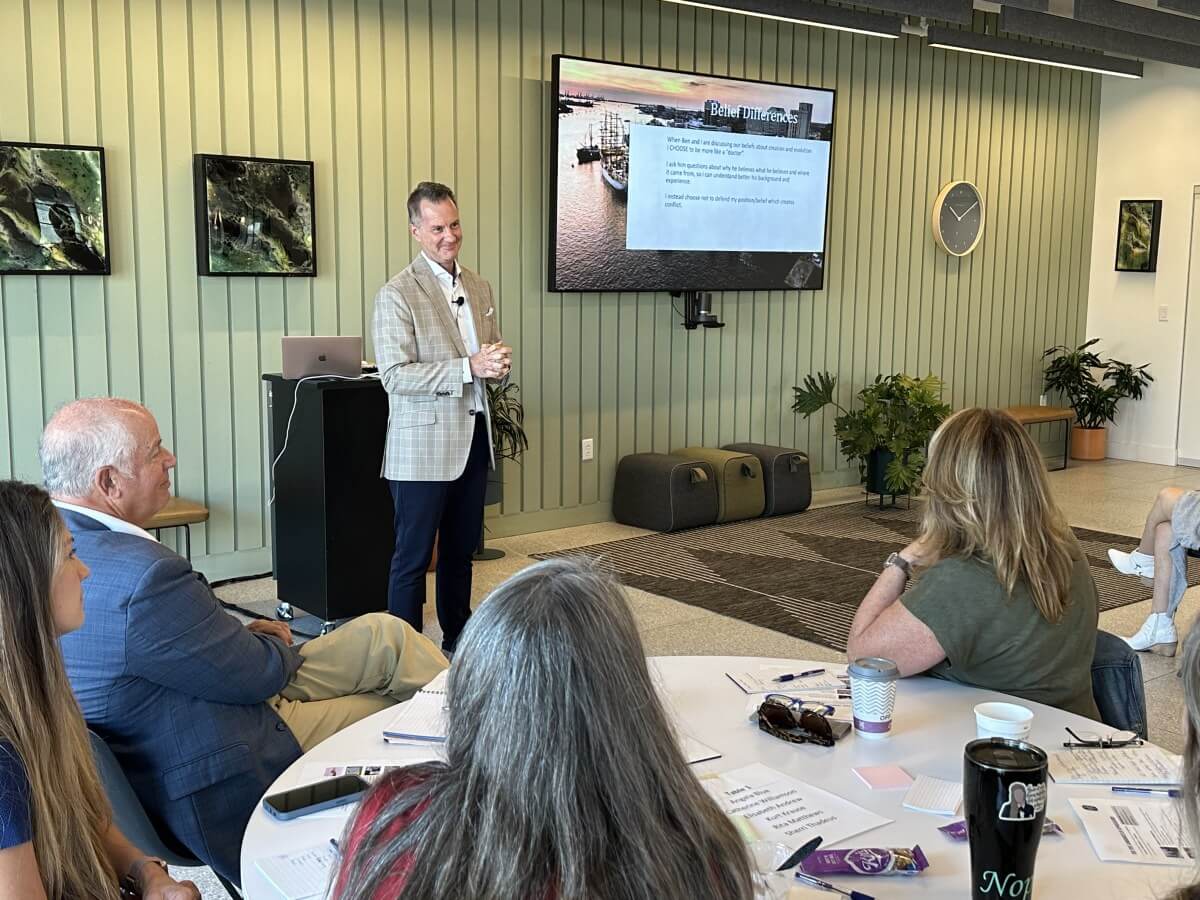
Making your sales team’s work environment safe is key. It’s where they can share ideas freely, aided by team-building activities, and speak their minds without being afraid of negative feedback. Thanks to studies from Harvard’s Amy Edmondson and Google’s Project Aristotle, we know this approach boosts team performance and sparks new ideas. Research shows that teams with high psychological safety outperform others, as members feel comfortable taking risks and voicing concerns. The main goal is to create psychological safety so your team can thrive and collaborate openly. Psychological safety matters because it leads to better teamwork, increased trust, and stronger customer relationships. By focusing on your team’s mental health, you set them up for better teamwork, creativity, and more successful sales talks, which is essential for high-performing teams.
Key Takeaways
- Psychological safety means that team members feel secure enough to take risks and express their thoughts freely.
- Key studies by Harvard and Google underscore the importance of a safe work environment.
- Promoting mental health within the sales team leads to greater success and innovation.
- Open communication is critical to establishing psychological safety.
- Support from leadership plays a vital role in building a safe culture.
Understanding Psychological Safety in Sales
A psychologically safe environment in sales teams is key for a productive and team-oriented work environment. Fostering psychological safety is an ongoing process that involves building trust, modeling vulnerability, and encouraging open communication among team members. Effective team management relies on creating this supportive atmosphere, as it allows team members to share ideas without fear of negative consequences. This encourages innovation and growth within the team, especially when paired with honest feedback.

Definition and Importance
Psychological safety means not being punished or embarrassed for sharing ideas, questions, or mistakes. It’s very important in sales because it affects how the team works and performs, especially when addressing interpersonal risks. Teams with psychological safety are more likely to take risks, make better decisions, and learn, leading to better sales. Psychological safety leads to increased trust, happiness, and stronger workplace dynamics, while also fostering continuous improvement as teams feel safe to learn from mistakes and adapt to new strategies.
Key Components of Psychological Safety
Creating a safe sales environment relies on several important factors:
- Trust – Team members need to trust each other and their leaders.
- Respect – Everyone’s contributions should be valued and respected.
- Openness – It’s about encouraging everyone to speak up and listen well.
- Support – Helping team members with the tools they need to do well, which leads to higher employee engagement.
Benefits for Sales Teams
Teams with psychological safety see many advantages that help improve performance.
They include:
- More Innovation – Supporting creativity leads to better sales approaches.
- Better Learning – Teams are willing to report and learn from more mistakes, seeing them as chances to grow, not fail.
- Stronger Teamwork – Working together to solve problems and hit sales goals.
- Better Relationships With Customers – Teams that feel good create happier customer relationships.
- Less Employee Turnover – A supportive environment keeps people around longer.
The Role of Trust in Sales Conversations
Trust is key in successful sales talks. Building trust often involves taking a risk, as it requires vulnerability and openness from both parties. When prospects trust you, they openly share their worries and needs. This leads to real connections. Trust also empowers teams to challenge the status quo, encouraging innovative approaches rather than sticking to existing practices. In fact, trust-building in sales is often more important than just showing skills. Using good trust-building strategies helps the sales process and the emotional health in sales, ultimately leading to improved sales results.
Building Trust with Prospects
To build trust, you need to consistently and genuinely connect. Be honest and clear in your talks. By seriously addressing their problems and giving solutions that fit their needs, you really boost trust. Empathy and listening well are also very important. When prospects feel listened to and understood, they trust you more, making sales more likely to succeed.
Strategies to Enhance Trust
To raise trust levels in sales talks, sticking to commitments is key; reliability is the foundation of trust. Being adaptable and personal is crucial. Craft your pitches to meet each prospect’s specific issues, showing you truly care. Also, looking after the emotional health of sales teams can improve your client interactions. A mentally strong team can create real connections better.

| Strategy | Action |
| Consistency | Always deliver on promises to build credibility. |
| Personalization | Customize pitches to address individual client needs. |
| Active Listening | Engage in conversations that make prospects feel valued and understood. |
| Empathy | Show genuine concern for the client’s challenges. |
| Reliability | Be dependable and prompt in all communications. |
By using these strategies, sales teams can create a trustworthy environment. This not only improves client relationships but also helps the emotional health in sales. Being able to build trust with prospects is a key skill that leads to success for both individuals and teams.
Creating a Safe Environment for Sales Teams
Making a safe environment for your sales team is very important, especially if your goal is to build a high-performing team. It helps sales professionals feel free to share their ideas. However, creating psychological safety can be a challenge, as it often requires ongoing effort to overcome barriers and foster trust. Allowing room for mistakes within the team helps build trust, encourages open communication, and supports a healthy work environment. This solid base can make the team work better together and improve results. Using good ways to talk in the team helps keep a safe and working-together feeling.

Encouraging Open Communication
It’s key to have an open dialogue to create a safe space. Encouraging open communication can be challenging, especially when team members may feel hesitant to share honestly. This means making a place where your team is okay sharing thoughts and worries without being scared of bad outcomes. Having regular team meetings, ways to give feedback without giving a name, and sessions to really listen are important. These help create trust and be clear in the team, which makes solving problems easier.
Supporting Collaborative Efforts
Encouraging your team to work together with their co-workers doesn’t just make them do better; it builds a community feeling and shared goals.
Setting up team activities, sessions to solve problems together, and chances for learning from each other can help. Adding training on building psychological safety by keeping a safe space for talking to your team’s continuous learning plans is a smart move. This training makes sure everyone knows it’s important to help each other. It leads to positive ways of interacting and solving things together, which makes a strong and effective sales team and helps everyone collaborate on new strategies.
Psychological Safety Exercises
Psychological safety exercises are a powerful way to build trust, encourage open communication, and create a psychologically safe workplace for your sales team. These activities are designed to help sales professionals feel comfortable sharing ideas, admitting mistakes, and taking smart risks—all without fear of negative consequences. By weaving psychological safety exercises into regular team-building activities, sales managers can foster a supportive environment that boosts employee engagement and team effectiveness.
One effective exercise is the “Personal Histories” activity, where team members share stories from their backgrounds or experiences. This simple act helps humanize co-workers, breaks down barriers, and builds trust, making it easier for everyone to speak up in future sales conversations. Another popular exercise is “Stop, Start, Continue,” which invites team members to give honest feedback on what the team should stop doing, start doing, and continue doing to improve performance. This approach not only encourages open dialogue but also supports continuous improvement and learning.
Sales leaders can also introduce the “4 Ls” exercise, where team members reflect on what they Loved, Loathed, Learned, and Longed for during a recent project. This activity promotes honest feedback and helps uncover lessons learned, new strategies, and opportunities for growth. Similarly, the “Desert Island Discs” exercise—where team members share their favorite music, books, or movies and explain their choices—can spark connection and build a sense of community within the team.
Active listening plays a crucial role in all psychological safety exercises. When team members feel respected and heard, they are more likely to contribute ideas and challenge the status quo, which encourages innovation and drives company growth. Research shows that psychological safety is a key factor in high-performing teams, leading to better sales results, improved customer relationships, and a more resilient sales culture.
To make these exercises most effective, sales managers should set clear ground rules for open communication and ensure that everyone feels safe to participate. Establishing a psychologically safe environment means encouraging employees to speak up, share feedback, and support one another—especially when discussing mistakes or taking interpersonal risks. By prioritizing psychological safety exercises as part of your team management strategy, you can make all the difference in building a high-performing team that thrives on continuous learning and collaboration.
The Impact of Leadership on Psychological Safety
Leadership plays a key role in creating psychological safety at work. A sales manager, in particular, is responsible for guiding the team and ensuring open communication. They know how important it is to have a safe place where team members feel important and secure. Leaders should also encourage employees to use available mental health resources and support systems. This makes the sales team feel better, which helps them perform and produce more.

Traits of Effective Sales Leaders
Good sales leaders have a few important qualities. They are open about their own struggles and trust their team. They talk openly and give helpful feedback. This makes trust and openness grow.
They also bring the team together through fun activities. This helps everyone work better together and feel included. Effective leaders also manage their workload by organizing admin tasks efficiently, ensuring they have time to support and develop their team.
How Leaders Foster a Safe Culture
Leaders are essential in creating a safe work culture. They do this by being clear about what they expect. They encourage everyone to speak up and help make decisions. This makes sure everyone is listened to and valued, making the sales team happier. Building this kind of culture not only benefits the team now but also supports the future growth of team members’ communication skills and confidence.
Recognizing Signs of Psychological Safety
Having a psychologically safe sales team is key for both mental health and success. Recognizing your team members as whole human beings, with unique needs and emotions, is essential to fostering an environment where psychological safety can thrive. It’s vital to spot signs of a secure and positive environment for your team, as it’s a key factor in their overall success. Seeing these signs is the starting point to create a place where everyone feels important and eager to do their best.
Indicators of a Safe Sales Environment
A sales space that promotes psychological safety shows certain signs. Openly discussing mistakes and learning from them without fear of blame is key. If team members freely share their thoughts during meetings, it means they feel safe. When people ask questions, offer ideas, and openly contribute, it shows they trust each other and their leaders. Together, these signs and the lessons learned build a safe sales environment.
Assessing Team Dynamics
It’s critical to regularly check how your sales reps interact to keep a healthy and safe environment. Notice if they are supportive and work well together in all types of meetings. Do they give helpful feedback? Using anonymous surveys and personal meetings can help you understand the sales reps’ mental health and find what needs to improve. Watching these points helps keep a welcoming and successful team atmosphere.
Mental Health Considerations in Sales Teams
Mental health is a crucial part of overall well-being, and it plays a significant role in the success of sales teams. Sales professionals often operate in high-pressure environments, facing constant targets, frequent rejection, and the need to perform at their best. Without a psychologically safe environment, these pressures can quickly lead to stress and decreased performance. By fostering open communication and encouraging employees to share their concerns, sales leaders can create a space where team members feel supported and understood. Prioritizing mental health not only helps individuals build resilience but also leads to improved performance and stronger sales results. When sales teams know their well-being matters, they are more engaged, motivated, and ready to tackle challenges together.
Addressing Stress and Burnout
Stress and burnout are common hurdles for sales teams, but they don’t have to be inevitable. Sales managers play a crucial role in creating a supportive environment that helps prevent these issues. By encouraging open dialogue and making it safe for team members to discuss their challenges, leaders can reduce the stigma around stress and mental health. Incorporating psychological safety exercises—such as team building activities, regular honest feedback sessions, and opportunities for peer support—can make a real difference. These practices help build trust and foster a sales culture where everyone feels valued and heard. When sales leaders actively promote work-life balance and recognize the importance of mental health, they set the tone for a positive, productive, and resilient team.
Supporting Emotional Well-being
Supporting emotional well-being is at the heart of building a psychologically safe workplace and high-performing teams. When sales teams feel respected and encouraged, they are more likely to share ideas, take smart risks, and collaborate effectively. Sales leaders can make all the difference by promoting continuous learning, encouraging innovation, and providing clear guidelines and constructive feedback. These actions help team members feel psychologically safe, build trust, and develop a strong sense of belonging. Research conducted at Harvard Business School highlights that psychological safety plays a crucial role in enhancing team effectiveness and driving company growth. By prioritizing emotional well-being, sales leaders not only improve team performance but also create an environment where everyone can thrive, adapt, and contribute to long-term success.
FAQ
What is psychological safety in sales?
Psychological safety in sales means having a work space where team members feel free to speak their minds. They can share ideas without worrying about being judged or punished. This idea illustrates the impact of psychological safety within organizational behavior and is backed by research from Harvard’s Amy Edmondson and Google’s Project Aristotle.
What are the key components of psychological safety in sales?
Important aspects include speaking openly, trusting each other, respecting one another, supporting teamwork, and learning from mistakes rather than pointing fingers.
What are the benefits of psychological safety for sales teams?
The upsides are more creativity, better learning from slip-ups, stronger teamwork, happier customers who stick around, and boosting the team’s success.
How can you build trust with prospects in sales conversations?
To build trust among sales managers, be clear and honest, truly care about their needs, offer dependable info, and always keep your word.
What strategies can enhance trust within a sales team?
Improving trust involves clear talks, bonding as a team, swapping feedback kindly, and making decisions openly.
How can you encourage open communication in a sales team?
To promote open talks, create an accepting space, really listen to team members, and hold regular meetings where everyone gets to speak.
What are some ways to support collaborative efforts in sales teams?
You can boost teamwork by encouraging group projects, celebrating team wins together, and giving tools that help them work as one.
What traits are essential for effective sales leaders to foster psychological safety?
Key traits include being able to show your own weaknesses, talking openly, giving helpful feedback, and making everyone part of decisions.
How do leaders foster a safe culture in sales teams?
Leaders create a safe environment by showing the behaviors they want to see, making it okay to raise issues, supporting new ideas, and being clear in communication and actions.
What are the indicators of a psychologically safe sales environment?
Signs of a psychologically safe workplace include talking frankly about mistakes, everyone joining in during meetings, giving kind feedback, and respecting each other.